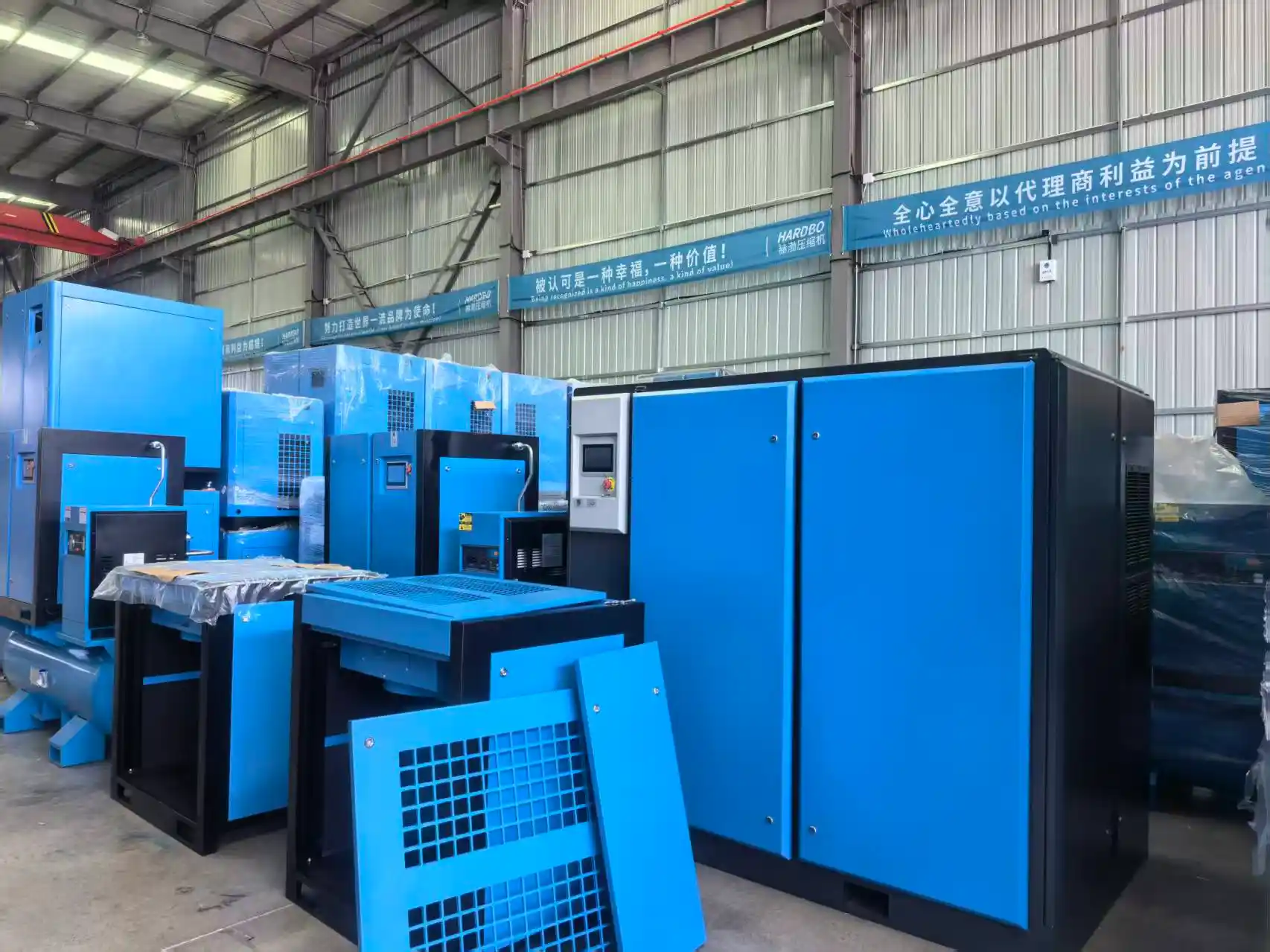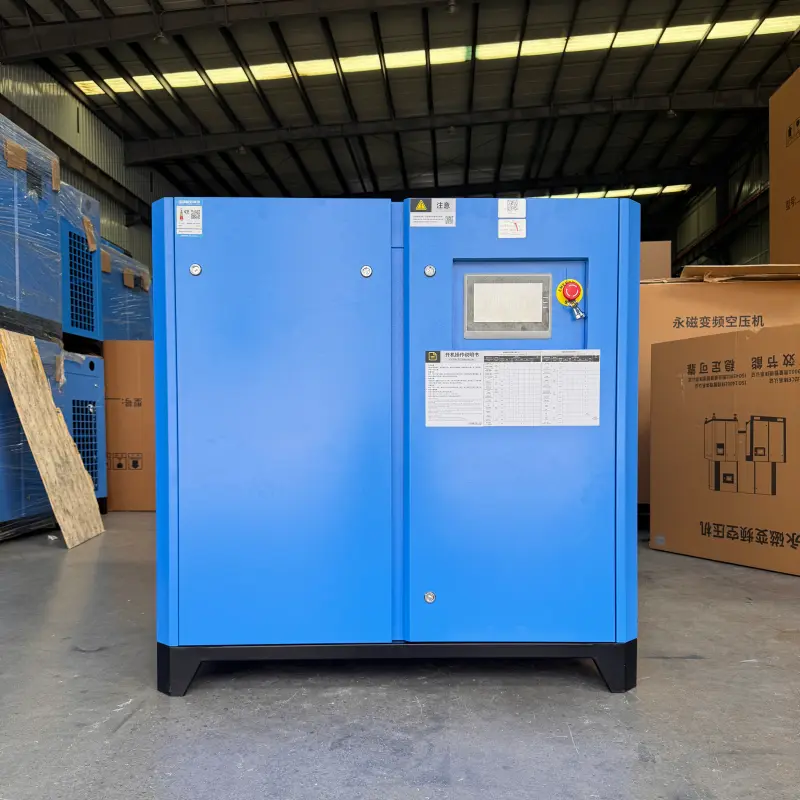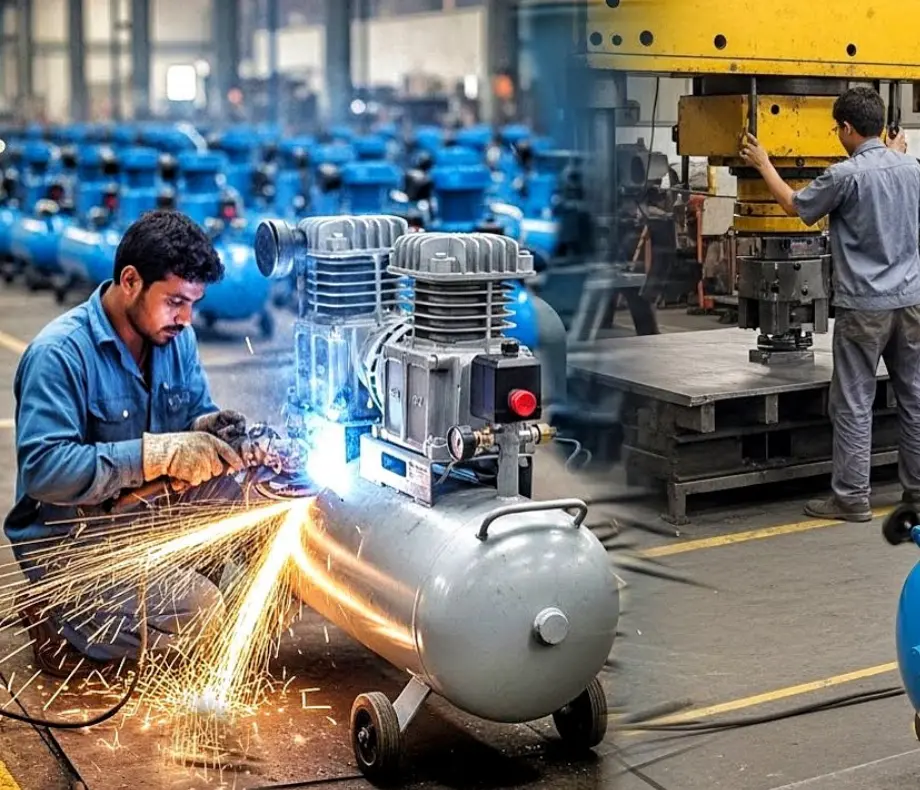
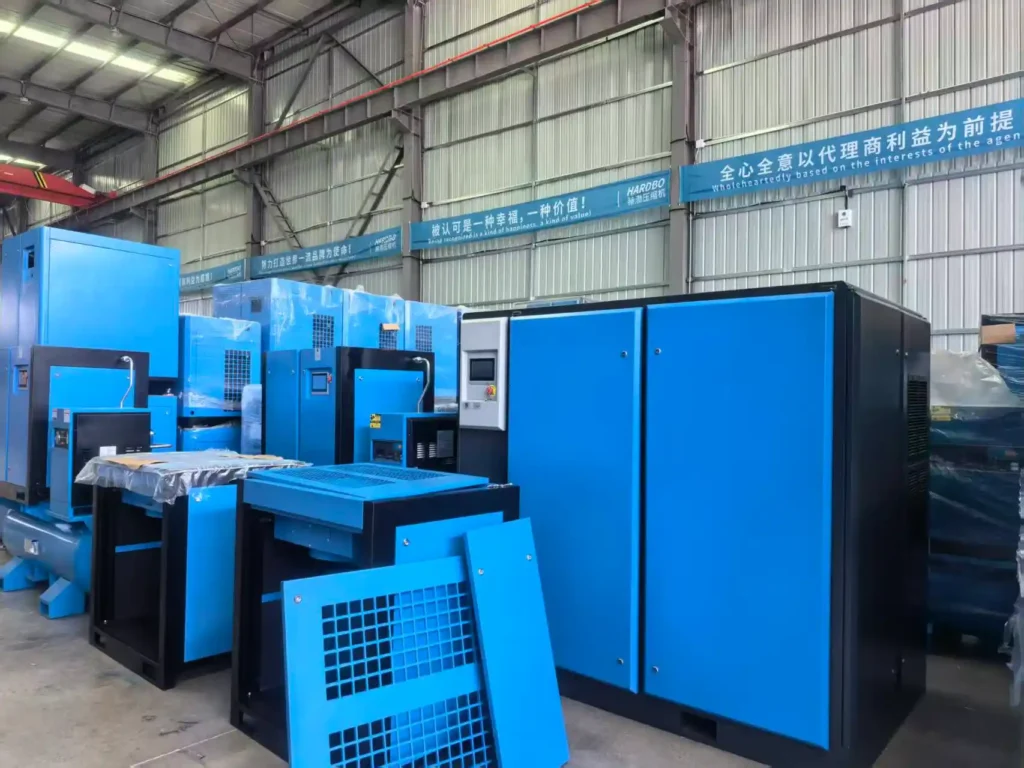
Many buyers focus on the purchase price when choosing an air compressor supplier. A poor supplier choice can lead to production delays, high energy costs, and expensive maintenance.
I recommend selecting an air compressor supplier based on technical fit, product quality, energy efficiency, spare parts availability, delivery time, and after-sales support. Buyers should compare the full cost of ownership, not just the initial price.
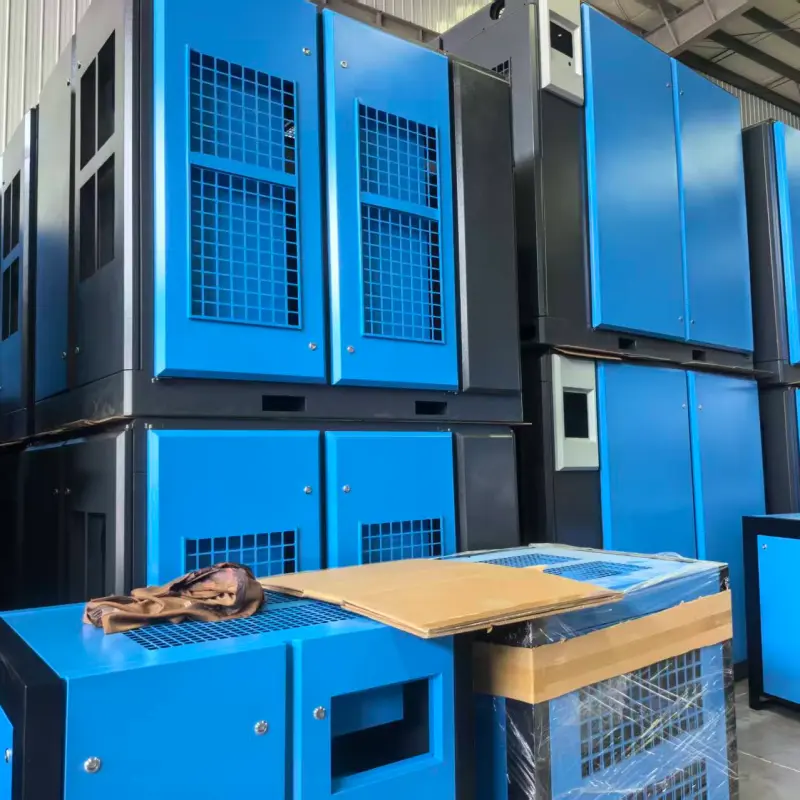
When I work with overseas buyers, I know that each market has its own needs. A factory in Vietnam may need a reliable compressor for daily production. A construction contractor in Saudi Arabia may need equipment that can work in a hot and dusty environment. A machinery distributor in Qatar may care about competitive prices, stable supply, and spare parts that are easy to resell.
I believe the right supplier should do more than send a quotation. The supplier should understand the buyer's working conditions, explain technical differences, and help the buyer choose a suitable system. In this article, I will share how I evaluate air compressor suppliers for Southeast Asian and Middle Eastern markets.
How Can I Check Whether an Air Compressor Supplier Understands My Market?
A supplier may offer many compressor models, but that does not mean every model fits your local market. Buyers need a supplier who understands local working conditions, common applications, service needs, and import requirements.
I check whether a supplier can explain how its products fit the buyer's application, climate, and business model. A capable supplier should ask about operating pressure, air demand, working hours, installation conditions, and local service resources before recommending a machine.
Why Should I Check the Supplier's Experience in My Target Market?
I do not judge a supplier only by the number of countries listed on its website. I want to know whether the supplier understands the real needs of customers in those countries.
Southeast Asia includes markets such as Vietnam, Thailand, Malaysia, the Philippines, and Myanmar. These markets have different manufacturing sectors, service networks, power conditions, and import processes. Some buyers need compressors for food processing or packaging. Others need compressed air for metalworking, automotive parts, textile production, or general factory use.
The Middle East also includes different types of demand. Buyers in Saudi Arabia and Qatar may need equipment for manufacturing, workshops, construction, and industrial projects. Some sites operate in high ambient temperatures. Some sites also have dust, limited maintenance access, or long distances from service centers.
I recommend asking a supplier for examples of the applications it serves in your market. The supplier does not need to reveal private customer information. It can explain the industries, compressor types, operating conditions, and common technical requirements it supports.
I also ask whether the supplier can provide suitable documentation. Depending on the destination and project, buyers may need product specifications, packing details, certificates, test reports, or other import documents. The exact requirements depend on the product and local rules, so I confirm them before placing an order.
Which Questions Can Help Me Evaluate a Supplier's Technical Knowledge?
I believe a good supplier should ask technical questions before it recommends a model. If a salesperson only asks for the required horsepower and then sends a price, I would request more information before making a decision.
Here are the questions I would ask during the first discussion:
| Question | Why I ask it | What I expect from the supplier |
|---|---|---|
| What is the required working pressure? | Different applications need different pressure levels. | A clear explanation of the pressure range and operating requirements. |
| How much compressed air does the equipment need? | Insufficient airflow can affect production. | A recommendation based on actual air demand, not motor power alone. |
| How many hours will the compressor run each day? | Operating hours affect energy use and equipment selection. | A model that fits the expected duty cycle. |
| What is the ambient temperature? | High temperatures can affect cooling and performance. | Suitable cooling and installation guidance. |
| Is the air used for general industrial work or a sensitive process? | Some applications need cleaner and drier compressed air. | Advice on filters, dryers, and air quality. |
| What maintenance resources are available locally? | Service access affects downtime. | A realistic maintenance plan and spare parts support. |
These questions help me see whether the supplier understands the complete compressed air system. A compressor is only one part of that system. The air dryer, filters, storage tank, pipes, drains, and control settings can also affect performance.
For example, a buyer may request a screw air compressor for a production line that runs for many hours each day. I would first check the required pressure and actual air consumption. I would also ask whether the demand stays stable or changes during the shift. A system with poor capacity matching may waste energy or fail to supply enough air.
I also believe buyers should ask for written technical confirmation. A phone call can help explain a problem, but a written specification gives both sides a clear record. It reduces the risk of confusion about motor power, rated pressure, airflow, voltage, accessories, and delivery scope.
How Should I Evaluate Climate and Installation Conditions?
Climate is important, but I do not assume that every location in Southeast Asia or the Middle East has the same conditions. A compressor installed in an air-conditioned factory has different needs from a compressor installed in an open workshop or a construction site.
In hot environments, I pay attention to the permitted ambient temperature, cooling method, ventilation, and the manufacturer's operating limits. Buyers should ask whether the selected model can work under the expected site conditions. They should not assume that a standard model will perform well at every temperature.
Humidity also matters. Compressed air can carry water vapor, and this moisture may condense as the air cools. The amount of moisture depends on ambient conditions, pressure, and the design of the system. If moisture reaches pneumatic tools, valves, paint systems, or production equipment, it may cause operating problems. The right air dryer and filtration setup depends on the required air quality.
For general guidance, I suggest reviewing the U.S. Department of Energy's compressed air resources. These resources explain system efficiency and common compressed air issues.
I also ask buyers to confirm the local power supply before ordering. Voltage, frequency, phase, motor requirements, and electrical protection must match the installation. A supplier should confirm these details in writing.
In my view, market experience is valuable when it leads to better technical questions and more suitable equipment. I do not need a supplier to promise that one model fits every country. I need the supplier to explain what fits my application, what needs confirmation, and what conditions could affect performance.
How Can I Compare Air Compressor Quality, Price, and Energy Efficiency?
A low quotation may look attractive, but it does not always mean a lower operating cost. Buyers can lose money if the compressor consumes too much electricity, needs frequent repairs, or fails to provide enough air.
I compare the total cost of ownership, which includes the purchase price, energy consumption, maintenance, spare parts, and expected downtime. I also check whether the supplier can support its product claims with clear technical documents and inspection records.
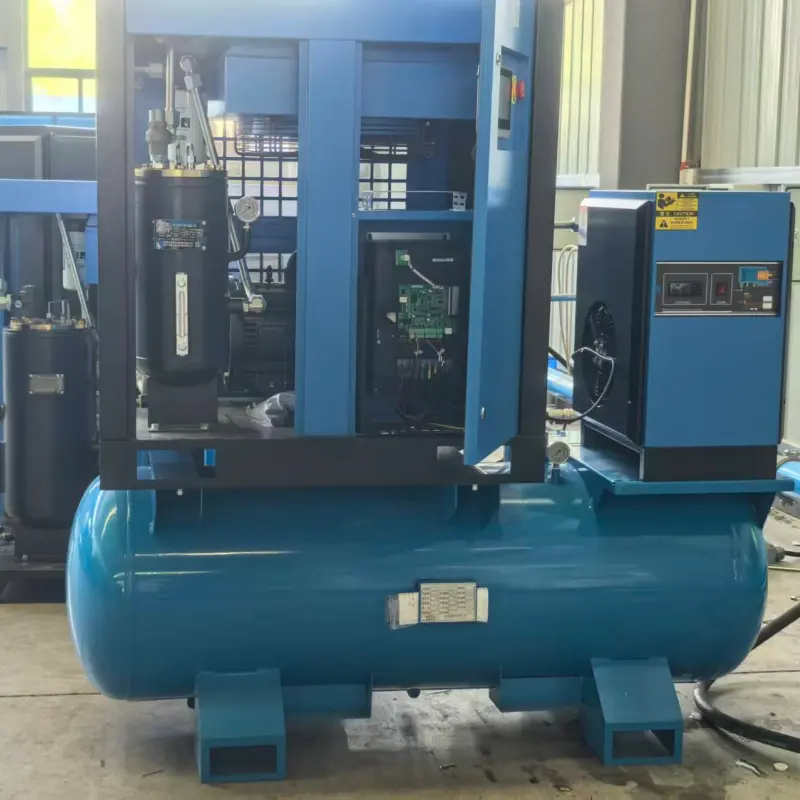
Why Is the Initial Price Not Enough?
I understand why buyers compare prices. Dealers need a competitive resale price, and factory owners need to control investment costs. However, I believe the purchase price should be only one part of the decision.
A compressor may run for many hours each day. In that case, electricity can become a major part of the total cost. A small difference in specific power or operating efficiency may matter more over time than a small difference in the purchase price.
For example, two suppliers may quote screw air compressors with similar motor power. One quotation may include an air dryer, filters, and a storage tank. The other may include only the compressor package. If I compare only the final numbers, I may reach the wrong conclusion.
I would compare the following items before choosing a supplier:
| Cost or specification | What I check | Why it matters |
|---|---|---|
| Purchase price | Included equipment, accessories, and services | It shows what I am actually buying. |
| Air delivery | Rated airflow and the conditions used for measurement | It helps confirm whether the machine can meet demand. |
| Working pressure | Rated and permitted operating pressure | It must match the application. |
| Energy use | Motor power and available efficiency data | It helps estimate operating cost. |
| Maintenance | Service intervals and recommended consumables | It affects routine expenses. |
| Spare parts | Availability, price, and delivery time | It can reduce the impact of equipment failure. |
| Warranty | Coverage, exclusions, and claim process | It clarifies what support is available. |
| Shipping | Packing, transport, insurance, and delivery terms | It affects the total landed cost. |
I also recommend comparing quotations with the same scope. If one supplier includes a dryer and the other does not, ask both suppliers to quote the same configuration. If the buyer needs a complete system, the comparison should cover the complete system.
A low-cost compressor may still be a good choice if it meets the application requirements and has reliable support. A higher-priced model may also be justified if it offers verified benefits for the buyer's operating conditions. I do not assume that the most expensive model is always the best, and I do not assume that the cheapest model is always the worst. I look at the evidence.
How Can I Check Compressor Quality Before Shipment?
I believe buyers should verify the machine before shipment, especially when they are buying from a new supplier. A supplier's product photos and written promises are useful, but they cannot answer every technical question.
First, I ask for the exact model number and a complete specification sheet. I check the motor power, working pressure, airflow, cooling method, voltage, frequency, dimensions, weight, and included accessories. I also confirm whether the specifications refer to the compressor package or the complete system.
Second, I ask what factory testing is available. Depending on the model and order, the supplier may be able to provide test records, running videos, nameplate photos, or a pre-shipment inspection. Buyers should agree on the inspection scope before production or shipment. A video can show that a machine runs, but it cannot replace every performance test.
Third, I check the product configuration against the purchase order. This step matters when a buyer orders several machines or requests OEM customization. The nameplate, motor details, control panel, accessories, and packing list should match the agreed specification.
For more formal technical checks, buyers can review the ISO 1217 standard for displacement compressors and confirm which edition and test requirements apply to their purchase. I do not treat a reference to a standard as proof that a specific machine has passed a test. The buyer should ask for the relevant test report or other supporting evidence.
I also recommend clarifying what happens if the inspection identifies a problem. The contract should explain who will correct the issue, whether reinspection is required, and how the schedule will change. These points are easier to agree on before the deposit is paid.
How Should I Compare Energy Efficiency?
I pay close attention to energy efficiency when a compressor operates for long periods. Motor power alone does not tell the whole story. Buyers should also consider the air delivered at the required pressure and the way the system responds to changing demand.
Where comparable data is available, I ask suppliers for specific power or other suitable efficiency information. I also confirm the test conditions, because figures measured under different conditions may not be directly comparable.
I use a simple estimate to understand why energy efficiency matters:
| Item | Example |
|---|---|
| Average electrical input | 22 kW |
| Operating time | 8 hours per day |
| Operating days | 300 days per year |
| Annual electricity use | 52,800 kWh |
This example assumes that the compressor draws an average of 22 kW throughout the stated operating hours. Actual energy use may be different because of load changes, idle time, control settings, and site conditions.
If the electricity price is $0.12 per kWh, the example annual electricity cost is $6,336. A buyer can use the same method to compare different system options, but the calculation should use realistic operating data and comparable performance figures.
I also check whether a variable-speed compressor is suitable for the application. Variable-speed control can reduce energy use when air demand changes, but it is not automatically the best choice for every site. The expected demand pattern, operating pressure, equipment cost, maintenance needs, and control strategy all matter.
I recommend reviewing the U.S. Department of Energy's compressed air system guidance when evaluating system design and energy-saving opportunities. In my opinion, a good supplier should explain the expected benefits and limits of an efficiency feature. I prefer a clear calculation over a broad claim such as “high efficiency” without supporting data.
How Can I Confirm the Right Model and Complete System?
A common purchasing problem is selecting a compressor based on motor power alone. A 22 kW model from one product range may not deliver the same airflow as a 22 kW model from another range. Buyers need to compare the actual performance data.
I start with the required pressure and airflow. I then check whether demand is steady or variable. I also ask whether the air will be used for general tools, production equipment, painting, packaging, or another application. The application affects the required air quality and the choice of dryer and filters.
The following table shows how I would approach different applications. It is a starting point, not a final engineering specification.
| Application | Main points to check | Possible system components |
|---|---|---|
| General factory tools | Required pressure, airflow, and daily operating hours | Screw or piston compressor, receiver, and filtration as needed |
| Continuous production | Stable air supply, load profile, and maintenance access | Screw compressor with suitable controls and system accessories |
| Painting or surface finishing | Moisture, oil, and particle requirements | Compressor, suitable dryer, and correctly selected filters |
| Construction or remote work | Portability, site access, and available power | Portable diesel compressor or another suitable site solution |
| Small workshop | Intermittent demand and budget | Properly sized piston or screw compressor, depending on usage |
I also confirm the air quality requirement. Some applications need only general-purpose compressed air. Others need tighter limits for particles, water, or oil. Buyers can use ISO 8573-1 as a reference for compressed air purity classes, then confirm the exact requirements with the equipment manufacturer or process engineer.
A supplier should explain why it recommends a certain configuration. It should also identify any information that is still missing. I consider that a sign of technical care, not a weakness. A clear recommendation helps prevent buyers from paying for unnecessary equipment or buying a system that cannot meet the real demand.
How Can I Verify After-Sales Support, Spare Parts, and Delivery Before Ordering?
A supplier may offer a good machine at a competitive price, but poor support can create problems after delivery. I check the warranty, spare parts plan, technical response time, and shipping schedule before I confirm an order.
I recommend choosing a supplier that can explain its after-sales process in writing. Buyers should know who will answer technical questions, which parts are available, how warranty claims work, and how the supplier will handle urgent problems.
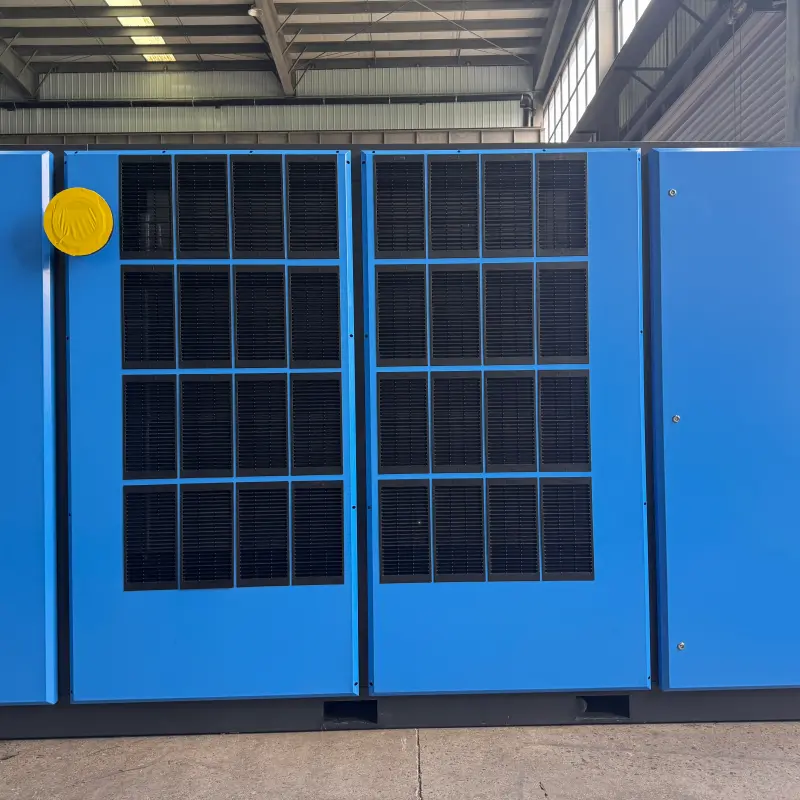
What Should I Check in an Air Compressor Warranty?
I do not judge a warranty by its length alone. I want to understand what the warranty covers, when it starts, and what the buyer must do to make a claim.
For example, a warranty may cover certain manufacturing defects but exclude consumables, incorrect installation, poor maintenance, or operation outside the permitted conditions. These terms can vary by manufacturer and model. I always recommend reading the actual warranty document before placing an order.
I also check whether the supplier provides technical instructions in English. Clear manuals can help the buyer's maintenance team understand installation, routine checks, and basic troubleshooting. If the buyer operates several machines, consistent documentation can also make staff training easier.
I would confirm these points with the supplier:
- Warranty period: When does the warranty begin? Is it based on shipment, delivery, installation, or another agreed date?
- Coverage: Which components and types of defects are covered?
- Exclusions: Which operating conditions or maintenance failures may affect coverage?
- Claim process: What documents, photos, videos, or test records does the supplier need?
- Technical support: How can the buyer contact the technical team?
- Repair costs: Who pays for replacement parts, freight, labor, and other costs under different situations?
I believe written terms are especially important for overseas buyers. A customer in Qatar, Saudi Arabia, or Vietnam may not be able to send a machine back to China quickly. The supplier and buyer should agree on a practical process for diagnosing problems and supplying replacement parts.
I also avoid treating a warranty as a promise that no problem will occur. Every machine needs proper installation, operation, and maintenance. The supplier should explain the maintenance schedule and the operating limits of the selected model. The buyer should follow those instructions and keep service records.
How Can I Reduce the Risk of Spare Parts Delays?
Spare parts availability is one of the points I would check before selecting a supplier. A small component may cause a long interruption if the buyer cannot obtain a replacement quickly.
I suggest asking the supplier for a recommended spare parts list based on the compressor model and expected operating hours. The list may include air filters, oil filters, separators, belts, lubricants, or other model-specific parts. The exact list depends on the compressor design, so I do not assume that every machine uses the same parts.
For distributors, spare parts planning also affects resale and customer service. A dealer that can supply common maintenance items may be better prepared to support local customers. For factories, a suitable stock of critical parts can reduce the risk of long downtime.
I use the following table to plan the discussion:
| Spare parts issue | Question to ask | What I want to confirm |
|---|---|---|
| Common consumables | Which parts need regular replacement? | A model-specific maintenance list |
| Part identification | Can each part be identified by a part number? | Clear references for future orders |
| Stock availability | Which parts are normally in stock? | Realistic availability, not only a general promise |
| Lead time | How long does delivery usually take? | Estimated dispatch time and shipping options |
| Technical compatibility | Will the part fit my exact model and configuration? | Written confirmation before payment |
| Emergency support | What happens if a critical part fails? | A practical contact and replacement process |
I also recommend confirming whether the supplier can provide spare parts for the expected service life of the equipment. The supplier should explain its parts supply policy and any limits. Buyers should not rely only on a verbal statement that all parts will always be available.
When I compare suppliers, I look at both the initial machine price and the cost of keeping it running. A slightly lower purchase price may not be attractive if routine consumables are expensive or replacement parts take too long to arrive.
For technical reference, buyers can review the manufacturer's operation and maintenance documentation and confirm the required service items for the exact model. General online maintenance advice should not replace the manufacturer's instructions, especially when the machine is used in demanding industrial conditions.
How Should I Confirm Delivery Time and Export Readiness?
Delivery time can affect production schedules, project deadlines, and a distributor's ability to serve customers. I therefore confirm the delivery plan before I pay a deposit.
First, I ask whether the selected model is available from stock or needs production. If the supplier says the machine is in stock, I ask for current photos, the nameplate, and confirmation of the exact configuration. A supplier should distinguish between a machine that is physically available and a model that can be produced after an order.
Second, I confirm the main stages of the order. These may include specification approval, production or preparation, testing, inspection, packing, and shipment. Each stage should have a realistic time estimate. The supplier should also explain which events could change the schedule.
Third, I check the shipping terms and the division of responsibility. The buyer and supplier should agree on the delivery term, named place or port, packing requirements, insurance responsibilities, and required export documents. I recommend confirming the agreed Incoterms rule and its named place in the contract. The International Chamber of Commerce's Incoterms resources provide an official starting point for understanding these trade terms.
The buyer should also confirm the import requirements with the local customs broker or relevant authority. Documentation requirements can differ by country, product type, and shipment. I would not assume that the same paperwork applies to every destination.
For air compressors, I also pay attention to packing. The supplier should explain how it will protect the machine, electrical components, accessories, and spare parts during transport. The packing method should fit the shipping route and the equipment's size and weight.
I believe good communication is part of export readiness. A supplier should respond clearly when the buyer asks about stock, inspection, packing, or shipment dates. If the supplier cannot answer immediately, it should explain what needs checking and when it can provide a confirmed answer.
Should I Start With a Trial Order?
For a new supplier relationship, I often consider a trial order when the project and supplier terms allow it. A trial order gives the buyer a chance to evaluate product quality, documentation, communication, packing, and delivery performance before making a larger commitment.
The best trial order depends on the buyer's business. A machinery importer may purchase one compressor package for local evaluation. A distributor may start with a small group of models that match common customer demand. A factory may test one machine under its actual operating conditions before expanding the system.
However, I do not believe a trial order automatically removes all risk. One machine cannot prove every aspect of long-term reliability. Buyers still need technical verification, clear contract terms, and a reasonable maintenance plan.
I suggest using the first order to evaluate several points:
| Evaluation area | What the buyer should record |
|---|---|
| Product compliance | Whether the delivered machine matches the approved specification |
| Communication | How clearly and quickly the supplier answers questions |
| Documentation | Whether manuals, packing lists, and agreed documents are complete |
| Packing and delivery | Whether the equipment arrives in the agreed condition and within the confirmed schedule |
| Installation and operation | Whether the machine can be installed and operated according to its instructions |
| Spare parts support | Whether part numbers, prices, and ordering procedures are clear |
| Commercial cooperation | Whether the supplier handles changes and questions in a practical way |
I also understand that some buyers face minimum-order pressure. A supplier may prefer larger orders because production, packing, and shipping involve fixed costs. I would discuss the minimum order quantity early and ask whether the supplier can offer a single-machine order, a mixed-model order, or another workable arrangement.
For dealers and importers, the first order should help test the supplier's ability to support future business. If the cooperation works well, both sides can discuss forecast demand, repeat orders, spare parts stock, and possible OEM requirements.
How Do I Make the Final Supplier Decision?
I prefer a simple scorecard rather than choosing based on the most attractive quotation or the fastest sales response. A scorecard helps buyers compare suppliers against the same requirements.
The following example can be adapted to the buyer's priorities:
| Evaluation item | Suggested weight | What a strong supplier demonstrates |
|---|---|---|
| Technical fit | 25% | Correct pressure, airflow, configuration, and application guidance |
| Product quality and inspection | 20% | Clear specifications and agreed inspection evidence |
| Price and operating cost | 20% | Comparable quotation scope and reasonable energy and maintenance costs |
| After-sales and spare parts | 15% | Clear warranty terms and a workable parts supply process |
| Delivery and export readiness | 10% | Confirmed schedule, suitable packing, and agreed documents |
| Communication | 10% | Accurate answers and clear follow-up |
I would score each supplier against the same criteria and keep the supporting evidence with the quotation. These weights are an example, not a universal rule. A project with a strict deadline may give more weight to delivery, while a factory running continuously may place more weight on energy efficiency and service support.
I also recommend checking the supplier's business information, factory or production capabilities, and references where appropriate. A factory audit can help verify production resources, but it should not replace technical testing or contract review. Buyers should confirm which company will manufacture the equipment, which company will issue the invoice, and which party will provide warranty support.
As Zora Guo from Yichen, I believe long-term cooperation starts with clear expectations. I want buyers to understand what they are purchasing, why a certain model fits their needs, what the price includes, and how support will work after delivery. This approach helps both sides reduce misunderstandings and build a more stable business relationship.
Buyers can review our product range and discuss their requirements through the Yichen air compressor website. When requesting a quotation, I recommend sharing the required pressure, airflow, daily operating hours, power supply, application, destination country, and any special air quality needs. This information helps us review the request more accurately.
Conclusion
I choose air compressor suppliers by checking technical fit, verified quality, total operating cost, spare parts, delivery, and after-sales support before comparing final prices.
SEO Tags: